You were never meant to just ‘live with it.’
Heather Mills Photography and guest contributor,
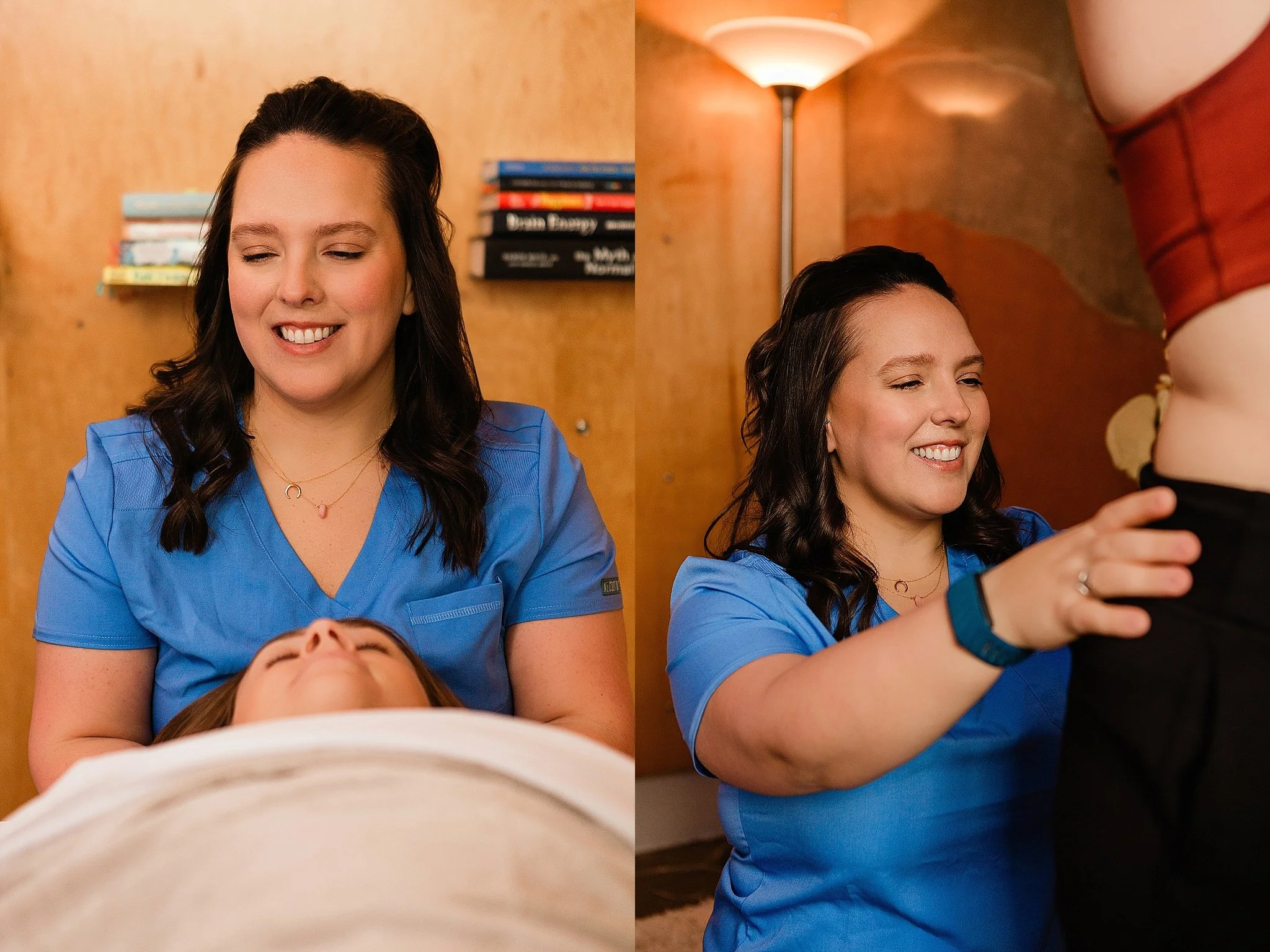
Dr. Christina Clark, owner of Duality Pelvic Health
This message is for the woman who’s been told ‘this is just how it is now.’
The 3 Lies We’ve Told Women About Their Bodies After Babies
Dr. Chrissy Clark, Owner of Duality Pelvic Health

I’ve heard the same phrases whispered in exam rooms, shared over coffee, and confessed in gym parking lots from moms across the lifespan:
“This is just how it is now.”
“You shouldn’t lift heavy.”
“Just do more kegels.”
Despite the well intentions behind these statements, the messages tend to leave moms and grandmas feeling broken and resentful.
Good news is, these statements are lies.
Let’s break it down!

Lie #1: “This is just how it is now.”
Whether a mom crosses her legs quickly while she laughs, avoids the trampoline park despite her kids having a birthday party there, or quietly wears a pad just in case she can’t make it to the bathroom in time, that mom has been told some version of the same thing: leaking, pelvic pressure, back pain, or discomfort with intimacy is just part of having babies.
Yes, these symptoms are common. But common doesn’t mean inevitable. And it certainly doesn’t mean permanent. The body changes during pregnancy and birth. Muscles stretch, tissues adapt to the growing baby, and posture shifts, but our bodies are also adaptable long after the newborn phase.
Whether it’s six months postpartum or twenty years later, improvement is possible with the right support.

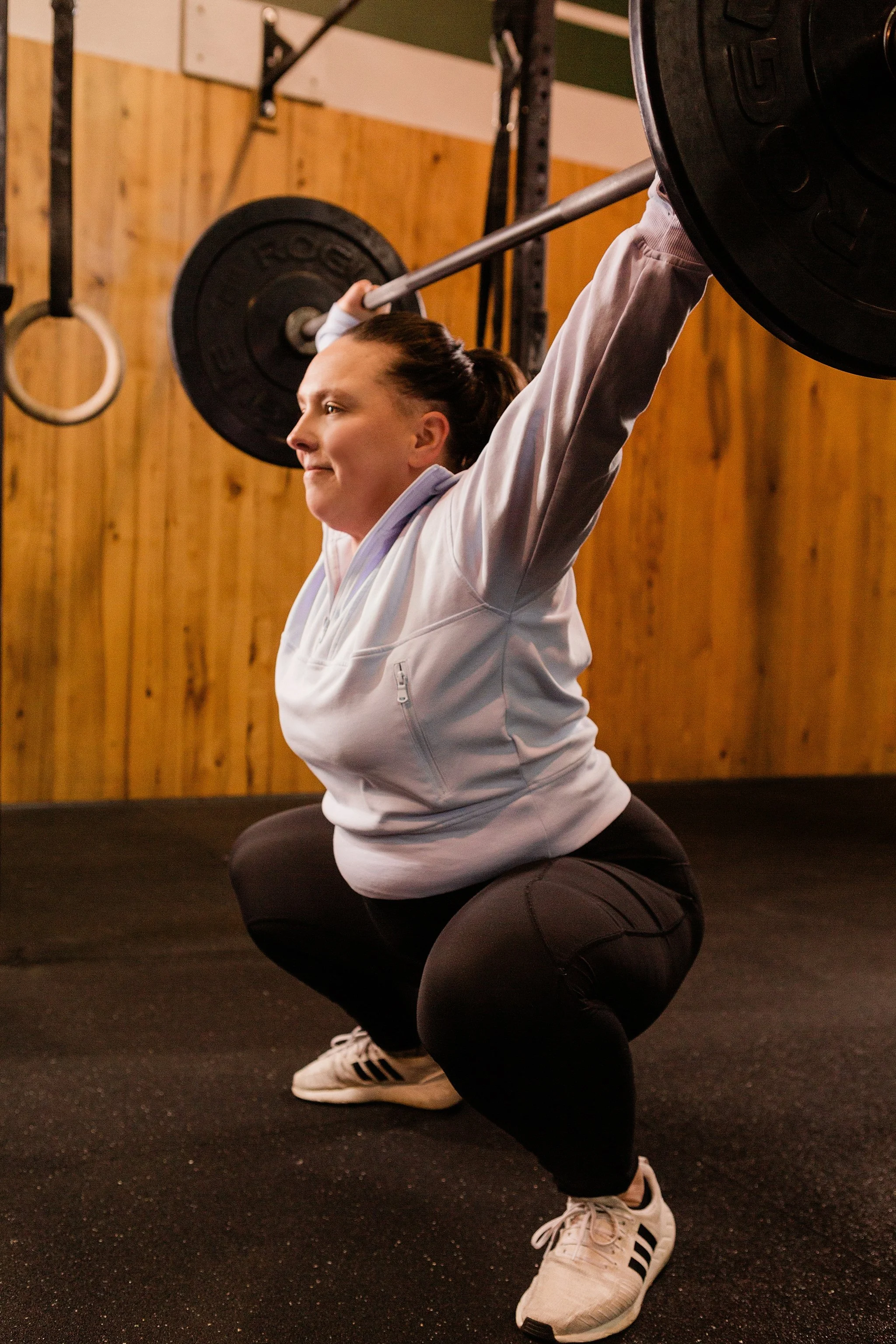
Lie #2: “Don’t lift heavy.”
One of my favorite quotes in the pelvic physical therapy world is:
“Telling women not to lift heavy to ‘save’ their pelvic floor is not women’s health”.
I know it’s blunt, but I just love this statement because it highlights how easily we tend to judge moms by what their pelvic floor can and cannot do.
In reality, if we advise women to not lift heavy weights or participate in more rigorous activities to “save” their pelvic floor, we are going to have even bigger problems.
Strength isn’t the enemy.
In fact, progressive, well-supported strength training can improve bone density, core support, cardiovascular health, pelvic floor coordination, and confidence at every stage of motherhood.
Avoiding load doesn’t protect women.
Learning how to carry it well does!

Lie #3: “Just do more kegels.”
For decades, kegels have been handed out like a universal solution to all pelvic floor problems, however, I wouldn’t have a 10+ year career as a pelvic health physical therapist if that was the only answer.
The pelvic floor isn’t a one-note muscle.
Some women need strength.
Others need mobility.
Everyone needs body awareness so the breath, core, hips, spine, and pelvic floor can work together.
For a woman already holding tension from stress or years of “sucking it in,” more squeezing isn’t always the answer.
Pelvic health is about having a stable foundation that is adaptable to any demand that you place on it.
The Truth We Should Be Telling
Your body after babies, whether those babies are in diapers or in college, is not a lost cause.
It isn’t fragile; it’s resilient and continually learning new ways to move and support you.
Instead of telling moms to live with discomfort, avoid growth, or squeeze harder, we can offer something better:
education,
individualized care,
and the belief that their bodies are capable of strength at every stage.
A quick word from Heather Mills:
I meet so many women carrying the weight of this belief:
Their body isn’t what it used to be…
…and because of that, it’s somehow less worthy of being seen.
That is a lie, too.
Your body is not something to hide until it feels “fixed.”
It’s not a before-photo waiting for an after.
It’s the home that carried life, adapted, endured, and continues to show up for you every single day.
Through my lens—whether it’s family portraits, headshots, or boudoir—I don’t see something broken.
I see strength. I see softness. I see a story that deserves to be honored, not edited out.
In fact, this version of you—the one shaped by motherhood, by change, by resilience—is worth capturing the most.
Because beauty didn’t leave your body after babies.
If anything, it became deeper, richer, and more powerful than before.
And it deserves to be seen.
Thank you again to Dr. Chrissy Clark, owner of Duality Pelvic Health for being our guest contributor today.
Be sure to say hello to her at: